
The Evolution of Meme Formats
Memes have undergone significant changes in format and function since their early days, each era reflecting the cultural and technological landscape of its time.
From the early 2000s forum memes to the rise of social media, different platforms have drastically shaped meme culture in distinct ways. Each platform contributing its own characteristics to the meme ecosystem and changing how we create, consume, and interact with memes.
Early Internet
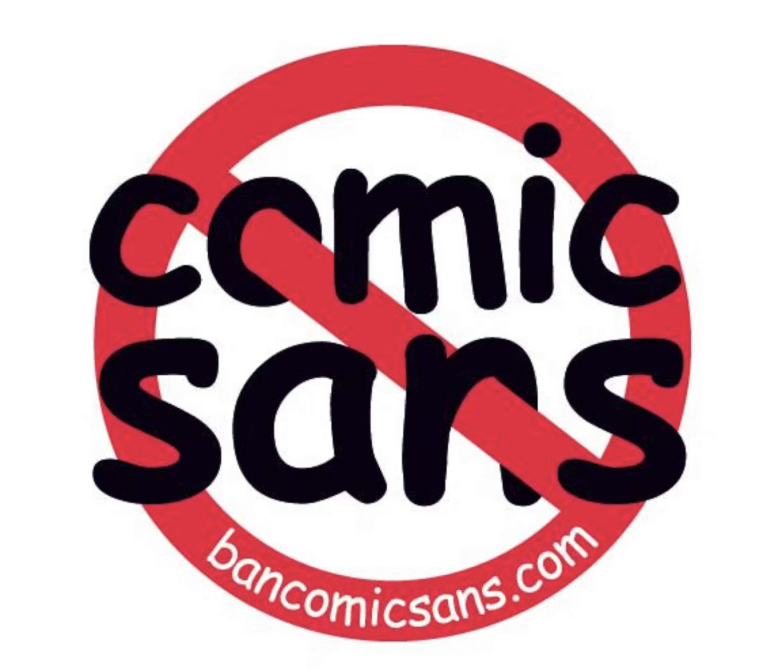
Comic Sans
Comic Sans was created by Vincent Connare in 1994 for Microsoft. It was meant to be a friendly, informal font designed to look like comic book lettering, originally intended for Microsoft Bob — a kid-friendly program with cartoonish speech bubbles.
Once it was added to Microsoft Word and other programs, everyone started using it. It was being used on school newsletters, church bulletins, business signs, and even serious documents like résumés or memorials. Its playful, casual look made it wildly popular among non-designers but deeply disliked by graphic designers, who felt it was overused and unprofessional.
That’s where the meme part comes in.
By the early 2000s, Comic Sans had become a symbol of “bad design taste.” Designers mocked its misuse, creating jokes, parodies, and even campaigns like “Ban Comic Sans.” On the internet, it turned into a shorthand for clueless or cringey design decisions — like using Comic Sans for a serious warning sign or a corporate logo.
Eventually, it became ironic.
People started using Comic Sans on purpose to be funny or subversive, posting serious quotes, angry messages, or scientific research in Comic Sans to create a jarring or absurd contrast. That self-awareness turned the font itself into a meme: it’s both hated and loved, depending on whether you’re in on the joke.
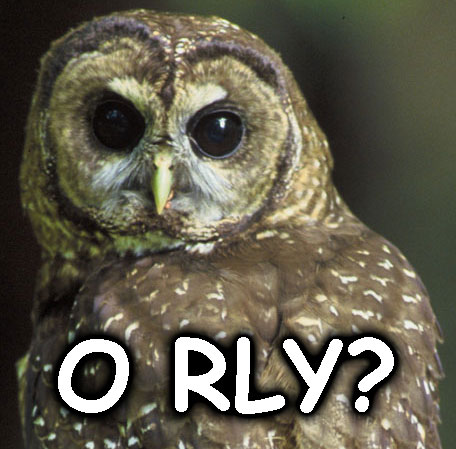
O RLY?
“O RLY?” (short for “Oh, really?”) is one of the earliest and most recognizable image-based internet memes. It originated in the early 2000s on online forums like Something Awful, where users would type the phrase sarcastically in response to obvious or dubious statements. Around 2004–2005, someone paired the phrase with a photograph of a wide-eyed snowy owl, giving the meme a distinct visual identity that spread quickly across sites like 4chan and YTMND. The owl’s surprised expression made it a perfect vehicle for dry humor, spawning countless variations such as “YA RLY” and “NO WAI!!” that turned simple banter into an entire meme ecosystem. As one of the first widely shared image macros, “O RLY?” helped define the visual language of early meme culture. Its influence can still be seen in the way modern memes pair expressive animals and ironic text to communicate tone and humor across the internet.
Twitter quickly emerged as a central hub for meme culture, giving users the ability to interact with trends, news, and pop culture in real time. One of its biggest influences was the rise of reaction GIFs. These GIFs offered a simple, visual way to express humor or empathy without text, adding a new layer of expression to online communication on an unprecedented scale.
Because of Twitter’s fast-paced, news-driven nature, it became the ideal platform for timely, event-based memes. Users could instantly create and share jokes or commentary as soon as something captured public attention. However, this constant flow of new content also meant memes on Twitter had much shorter lifespans… what once stayed popular for weeks now often fades within days or even hours.